
Knowing the difference between a power amplifier, audio mixer, and mixer amplifier will help you know which type to choose for your commercial sound system. We want to help with that and will start off by explaining what is an audio power amplifier and an audio mixer. We will also break down the difference between a mixer and an amplifier while highlighting what is the use of a mixer amplifier.
What Is An Audio Power Amplifier?
An audio power amplifier is an electronic amplifier required to amplify the low-power of an input signal to a high enough level to drive your speakers. The frequencies of the low-power signals are always between 20Hz to 20KHz, which is the range of human hearing. The amplifier will take an audio signal and turn it into wattage like an electrical signal which will then drive your speakers. A speaker power amplifier is required for any sound system that uses passive speakers.
There are several different classes of amplifiers. We won't go into too much detail about each one, but there’s Class A, Class B, Class AB, Class C, and Class D, which all have different characteristics of how they generate power and how efficient they are while sounding as highly musical as their technology allows. There are two types of 70v power amplifiers - professional audio amplifiers and commercial power amplifiers.

Pro Audio Amplifiers:
Professional audio power amplifiers are designed for driving live sound, foreground PA, live music reproduction, portable sound, DJ, and touring PA or line array sound systems. They come in single-channel, stereo (or two channels), or multi-channel options. Well-known audio brands such as Crown and QSC also offer high-level DSP (Digital Signal Processing) programmability, scalability, configurability, and ethernet-equipped connectivity.
Commercial Amplifiers:
Commercial amplifiers are designed and built to run 24/7 and last in challenging environments with low impedance (4/8 Ohms) amplification as well as 25V, 70V, and 100V options. These amplifiers are more robust and have commercial-grade power supplies that allow them to be left on all the time while remaining safe. They feature option-rich capabilities for commercial integrators and technicians such as configurable inputs/outputs, multi-channel amplifiers, DSP signal processing, networkability, Ethernet IP addressable, CobraNet, Digital Interfaces with recall created settings from built-in front control panels with fast, simple, and configuration without a PC.
Commercial audio power amplifiers are perfect for 70 volt distributed audio systems in retail stores, churches, offices, stadiums, airports, hospitals, schools, emergency-evac, and industrial public address applications or anywhere they may need to be run for long hours.
What Is An Audio Mixer?
An audio mixer is an electronic device which is used for changing the quality and the levels of audio signals. Using a mixer is the most convenient way to route or combine various audio signals and even change the timbre and dynamics of the sound. The high-end mixers that are available today can effortlessly mix analog and digital signals.
Mixers also give you the ability to amplify your input source or sources. Audio mixers generally have outputs optimized for connecting to pro or commercial audio amplifiers. An audio mixer will have a higher output strength than a personal device or consumer electronic. The term “mixer” may make you think about a large mixing board in the back of an auditorium or concert venue, but there are lots of types of mixers for both live sound and commercial audio.
Live Sound Mixers:
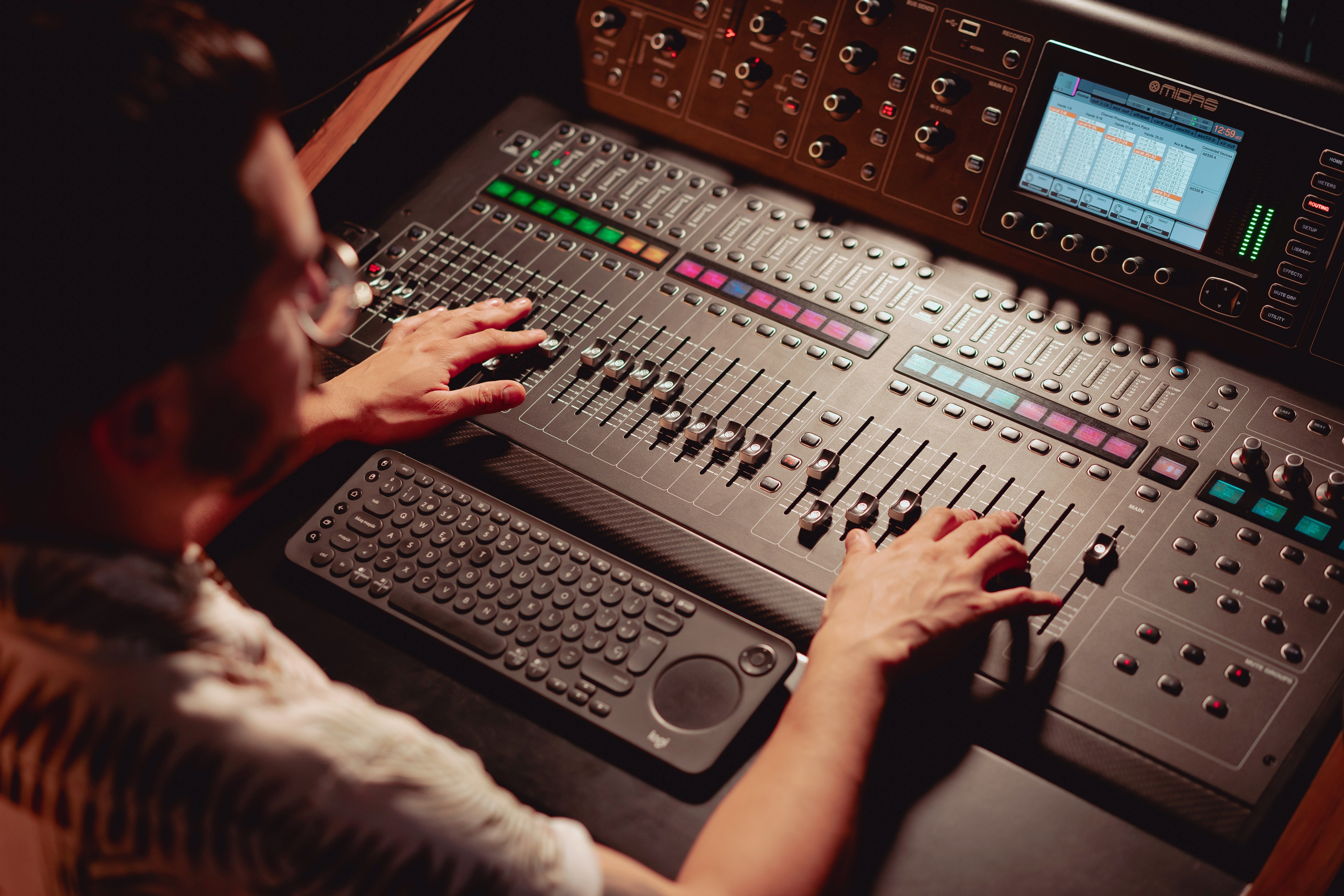
Live and portable sound mixers are also known as mixing consoles or soundboards. From analog mixers to digital mixers, powered mixers, line mixers, and microphone mixers there are options available in small to large formats for a wide range of users and applications. Some common brands you may be familiar with are Yamaha Pro, Presonus, SoundCraft, Midas, Mackie, Allen & Heath, QSC Audio, Peavey, and many more.
Commercial Audio Mixers:
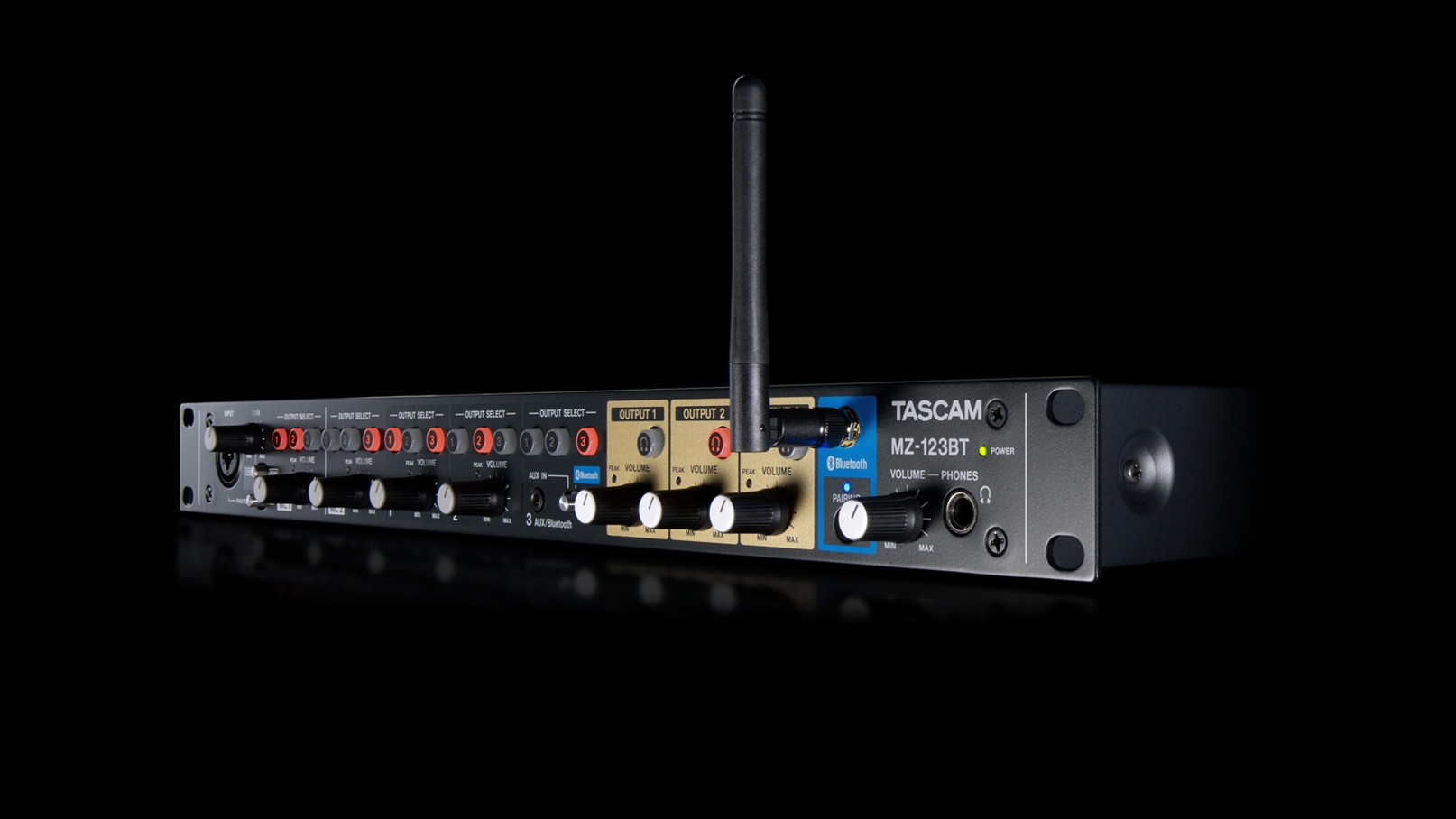
Commercial audio mixers for paging and public address sound systems are usually rack-mounted and are used to mix and route sound sources such as paging, voice announcements, recorded music, digital messages, wireless Bluetooth, emergency communications, speech, and sound masking. They are robust and made for the demanding needs of commercial audio integration and installed sound systems.
What Is A Mixer Amplifier?
Mixer amplifiers are usually used in commercial environments and combine the characteristics of an audio mixer and an amplifier. Well-known brands such as JBL Commercial, Bose, Yamaha Commercial Audio, Crown Audio, TOA, and Atlas Sound all make mixer amplifiers.
Power mixer amplifiers are designed for distributed 70-volt audio sound systems with paging and background music (BGM). Like 70v amplifiers, they can support many speakers, CAT5, and network-controlled IP speakers. The robust designs are made with convenient options such as rack mounts and input modules for almost any signal input, priority ducking, alert capabilities, and control. 70-volt mixer amplifiers are made to run 24/7 and last in a commercial environment. Many brands also offer UL and cUL Listed models and carry up to a five-year warranty.

With a commercial mixer amplifier, you can connect multiple input sources and also manipulate your input source by turning it up/down or adjusting its bass/treble (depending on the features built into the mixer). With an amplifier, you can only adjust/amplify the volume.
In almost all cases, it's recommended to go with a mixer and amplifier combo to connect your device for your pro audio or commercial audio system needs. It may be possible to connect a personal device to an amp, but you really don’t get the additional benefits of a mixer by having a wider range of adjustments for bass/treble and volume adjustments while making sure your amplifier is getting the strength of signal that it needs. Using a mixer amplifier combo is also convenient because you only have to have one piece of equipment instead of needing a separate mixer and amplifier.
If you have any more questions about powered amplifiers, mixers, or mixer amplifiers, give us a call at (888)-256-4112, or email us at [email protected]. Our sound system experts are happy to help!