
What is the Difference Between a Mixer and a Receiver? – Key Features and Applications
When it comes to setting up an audio system, choosing the right equipment is essential to achieving the best sound quality and functionality. Two common devices in audio setups are home audio receivers and professional audio mixers. While they may appear similar at first glance, they serve very different purposes and are best suited for different environments. In this blog, we’ll walk through the difference between a mixer and a receiver as well as when to use each one.
What is an Audio Mixer?
A mixer is a versatile device designed to combine multiple audio sources (inputs) into one or more outputs. Whether you're connecting microphones, musical instruments, Bluetooth devices, or other audio sources, a mixer gives you the ability to:
-
Control individual volumes for each input
-
Make equalization (EQ) adjustments to shape your sound
-
Apply effects and signal processing for a professional audio experience
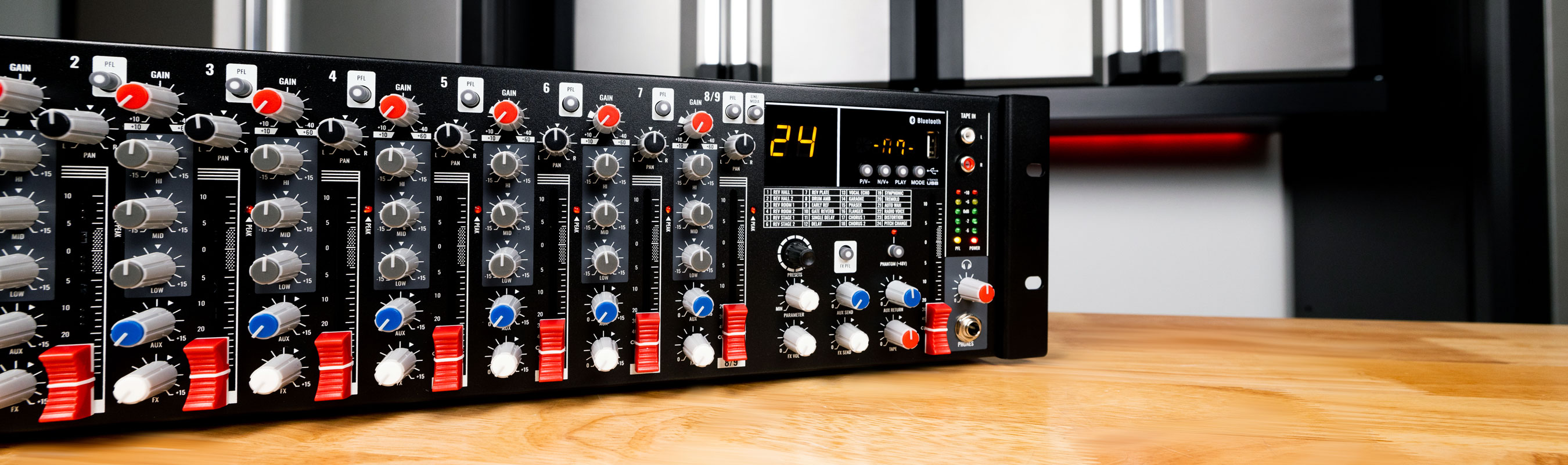
For example, the Pure Resonance Audio MX9 is a 9-channel rack-mount mixer that offers Bluetooth streaming, built-in effects, and detailed tone adjustments. This type of mixer is ideal for commercial spaces like restaurants, gyms, retail stores, houses of worship, and live event venues where multiple audio sources must be blended and managed simultaneously.
What is an Audio Receiver?
A receiver, on the other hand, is primarily an amplifier with basic audio routing. It is most commonly used in home audio systems and some simple commercial setups. Key features include:
-
Built-in amplification to power passive speakers
-
Pre-configured audio processing for straightforward operation
-
Often includes a tuner for AM/FM radio
Home receivers are designed for convenience and simplicity. They typically play one source at a time and do not have microphone inputs or the ability to blend multiple sources simultaneously.
When to Use Mixers vs Receivers
-
Mixers: Best for professional or commercial environments requiring flexibility and control. They allow multiple inputs, offer detailed sound shaping, and can route audio to different zones. Unlike receivers, mixers do not have built-in amplification and must be paired with an external amplifier to power speakers.
-
Receivers: Best for simpler residential applications where amplification and basic control are the primary needs, such as home theater systems or small offices.
Final Thoughts
Choosing the right audio equipment depends on your environment and needs. For home use, a receiver often provides all the necessary functionality. For commercial or professional settings, an audio mixer like the Pure Resonance Audio MX9 offers the flexibility and control needed to deliver high-quality audio across multiple sources and zones.
Have more questions about the difference between mixers and receivers? Contact our team for expert guidance and personalized recommendations for your setup!