
145 Products
-

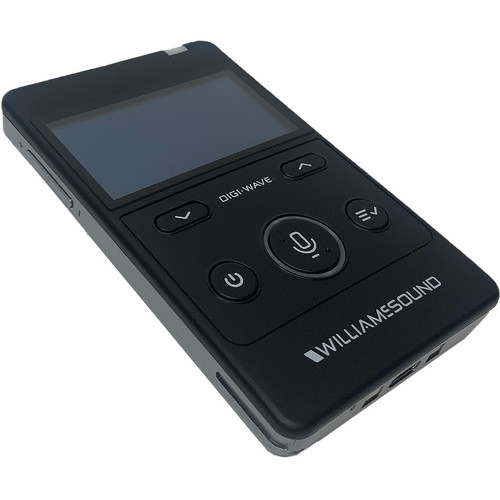
Williams AV DWS TGS 10 400 ALK Digi-Wave Tour Guide System
Williams AV DWS TGS 10 400 ALK Digi-Wave Tour Guide System The Williams AV DWS TGS 10 400 ALK is a wireless tour guide system in the 2.4 GHz band for tour groups of up to 10 members. It enhances...MSRP: $3,556.00$3,200.00Usually arrives in 5-9 business days.
-
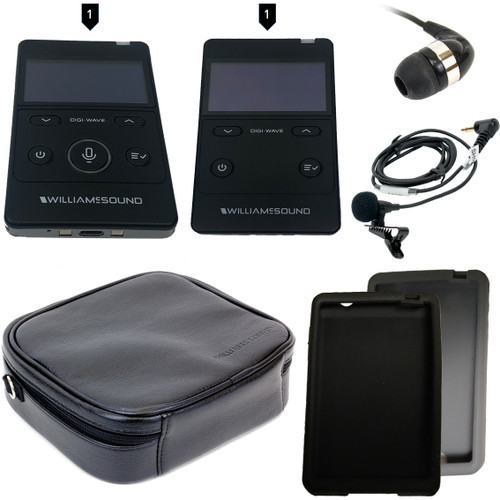
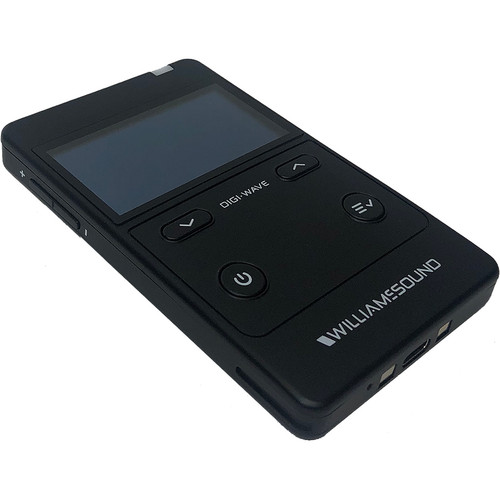
Williams AV DWS PCS 3 400 RCH Digi-Wave 400 Personal Communication System
Williams AV DWS PCS 3 400 RCH Digi-Wave 400 Personal Communication System The Digi-Wave™ system is a digital spread-spectrum (DSS), simultaneous two-way wireless listening system. Using its...MSRP: $1,083.00$975.00Usually arrives in 5-9 business days.
-
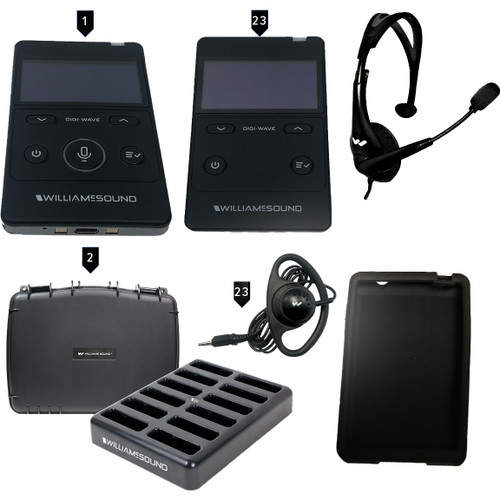
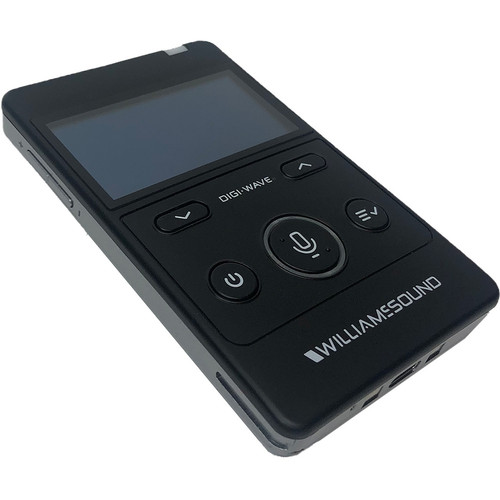
Williams AV DWS TGS 23 400 RCH Digi-Wave Tour Guide System
Williams AV DWS TGS 23 400 RCH Digi-Wave Tour Guide System The DWS TGS 23 400 RCH is a wireless tour guide system in the 2.4 GHz band for tour groups of up to 23 members. It enhances communication...MSRP: $10,144.00$9,130.00Usually arrives in 5-9 business days.
-

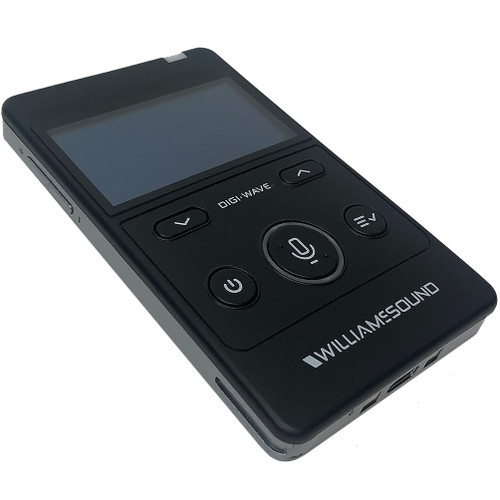
Williams AV DWS INT 3 400 ALK Digi-Wave 400 Interpretation System
Williams AV DWS INT 3 400 ALK Digi-Wave 400 Interpretation System The DWS INT 3 400 ALK Digi-Wave is an interpretation system for two presenters and up to 20 listeners. This system is an economical...MSRP: $7,094.00$6,385.00Usually arrives in 5-9 business days.
-


Williams AV DWS TGS VIP 12 400 2-Way Digi-Wave Tour Guide System VIP
Williams AV DWS TGS VIP 12 400 Digi-Wave Tour Guide System The DWS TGS VIP 12 400 is a two-way, wireless tour guide system, 2.4 GHz. It allows two or more tour guides to combine skills and guide as...MSRP: $9,154.00$8,239.00Usually arrives in 5-9 business days.
-

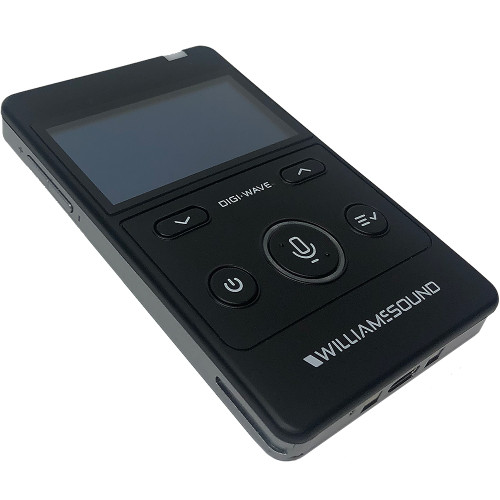
Williams AV DWS INT 4 400 RCH Digi-Wave Interpretation System
Williams AV DWS INT 4 400 RCH Digi-Wave Interpretation System The Digi-Wave™ system is a digital spread-spectrum (DSS), simultaneous two-way wireless listening system. Using its frequency-hopping...MSRP: $10,788.00$9,709.00Usually arrives in 5-9 business days.
-


Williams AV DWS INT 2 400 ALK Digi-Wave Interpretation System
Williams AV DWS INT 2 400 ALK Digi-Wave Personal Communication System The Digi-Wave™ system is a digital spread-spectrum (DSS), simultaneous two-way wireless listening system. Using its...MSRP: $3,556.00$3,200.00Usually arrives in 5-9 business days.
-

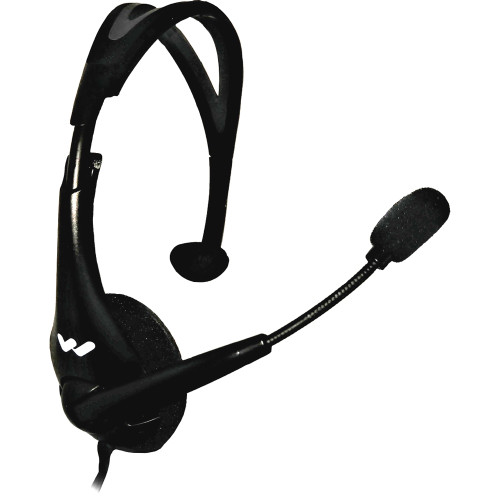
Williams AV DWS PCS 2 400 Digi-Wave 400 Personal Communication System
Williams AV DWS PCS 2 400 Digi-Wave 400 Personal Communication System The Digi-Wave™ system is a digital spread-spectrum (DSS), simultaneous two-way wireless listening system. Using its...MSRP: $1,402.00$1,262.00Usually arrives in 5-9 business days.
-

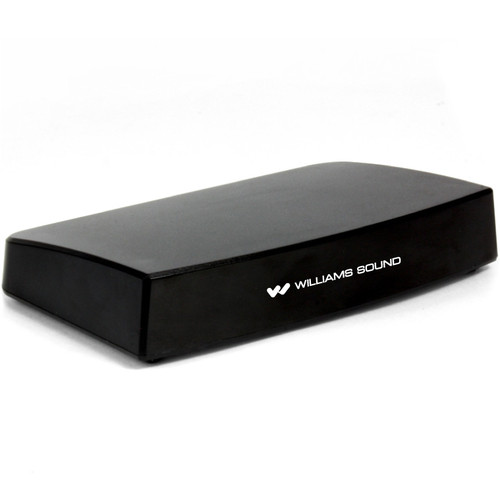
Williams AV IR SY1 Small-Area Infrared Assistive Listening System with IR T1 Transmitter, Receiver and Headphones
Williams AV IR SY1 Small-Area Infrared Assistive Listening System The IR SY1 small-area infrared assistive listening system provides a simple, effective solution for delivering clear, private audio...MSRP: $925.00$835.00Usually arrives in 5-9 business days.
-
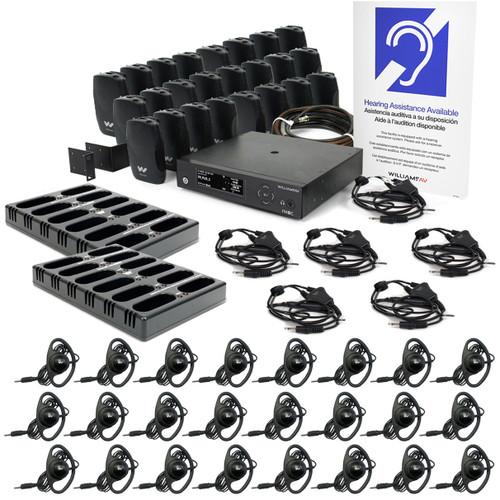

Williams AV FM+ 557-24 PRO D Assistive Listening System with Dante and Rack Panel Kit for Dual FM and Wi-Fi Transmission (24 Receivers)
Williams AV FM+ 557-24 PRO D Dante-enabled Assistive Listening System The FM+ 557-24 PRO D is a fully ADA-compliant assistive listening system designed for mid- to large-sized venues, providing...$8,270.00Usually arrives in 5-9 business days.
-
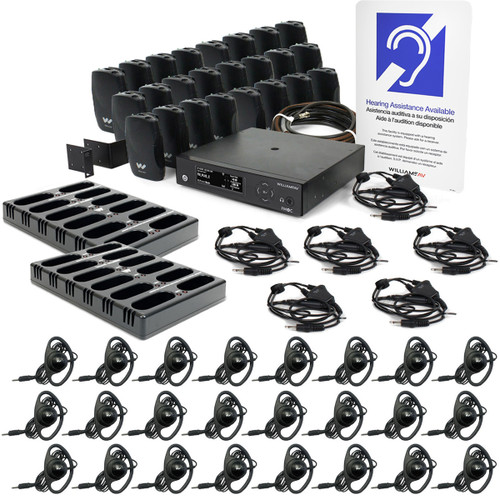
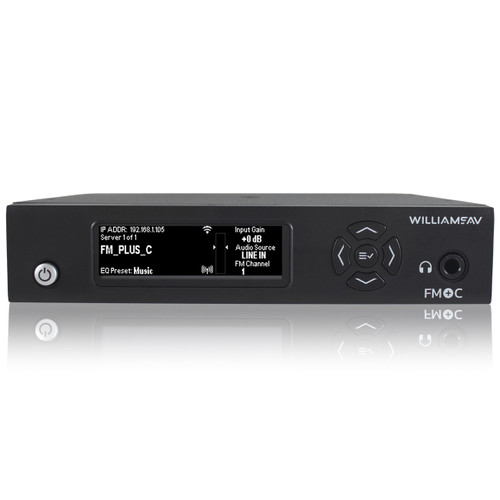
Williams AV FM+ 557-24 PRO Assistive Listening System with Rack Panel Kit for Dual FM and Wi-Fi Transmission (24 Receivers)
Williams AV FM+ 557-24 PRO ADA Compliant Assistive Listening System with Rack Panel Kit The FM+ 557-24 PRO System is a comprehensive assistive listening solution tailored for large-sized venues,...$8,040.00Usually arrives in 5-9 business days.
-

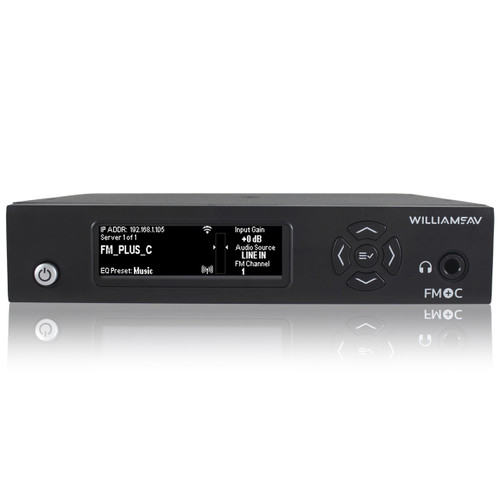
Williams AV FM+ 557-24 Large Area Assistive Listening System for both FM and Wi-Fi Transmission (24 Receivers)
Williams AV FM+ 557-24 ADA Compliant Assistive Listening System The FM+ 557-24 delivers ADA-compliant assistive listening for large-sized venues, providing crystal-clear, reliable audio that ensures...$5,990.00Usually arrives in 5-9 business days.
-
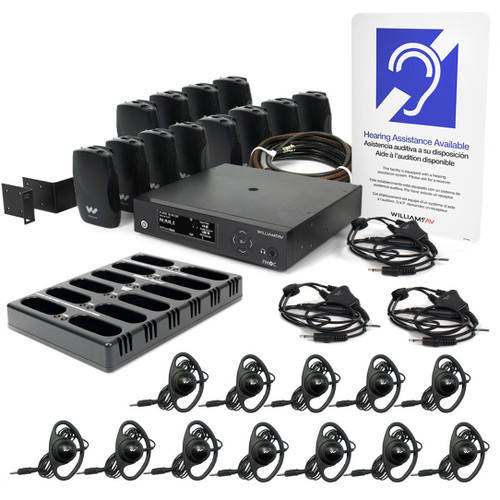

Williams AV FM+ 557-12 PRO D Assistive Listening System with Dante and Rack Panel Kit for Dual FM and Wi-Fi Transmission (12 Receivers)
Williams AV FM+ 557-12 PRO D Dante-enabled Assistive Listening System The FM+ 557-12 PRO D System is a fully integrated assistive listening solution, ideal for mid-size venues that demand...$5,060.00Usually arrives in 5-9 business days.
-
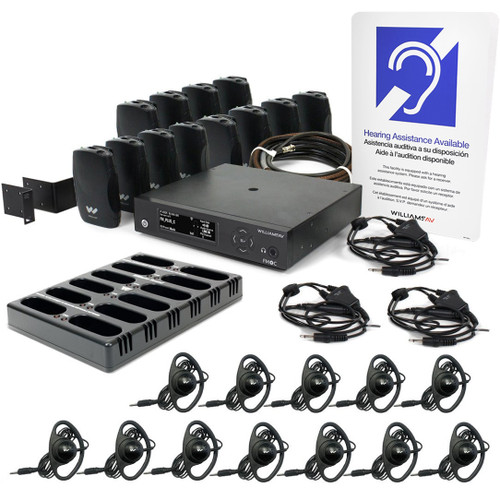
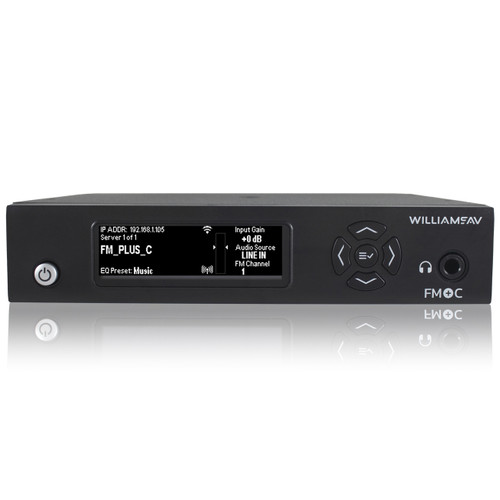
Williams AV FM+ 557-12 PRO Assistive Listening System with Rack Panel Kit for Dual FM and Wi-Fi Transmission (12 Receivers)
Williams AV FM+ 557-12 PRO ADA Compliant Assistive Listening System with Rack Panel Kit The FM+ 557-12 PRO System is a comprehensive assistive listening solution tailored for mid-size venues,...$4,805.00Usually arrives in 5-9 business days.
-


Williams AV FM+ 557 PRO D Assistive Listening System with Dante and Rack Panel Kit for Dual FM and Wi-Fi Transmission (4 Receivers)
Williams AV FM+ 557 PRO D Dante-enabled Assistive Listening System The FM+ 557 PRO D System is a professional-grade assistive listening solution featuring the Dante-enabled T55C transmitter, offering...$2,970.00Usually arrives in 5-9 business days.
-


Williams AV FM+ 557 PRO Assistive Listening System with Rack Panel Kit for Dual FM and Wi-Fi Transmission (4 Receivers)
Williams AV FM+ 557 PRO ADA Compliant Assistive Listening System with Rack Panel Kitt The FM+ 557 PRO system is a complete, professional-grade assistive listening solution designed for seamless...$2,715.00Usually arrives in 5-9 business days.
-
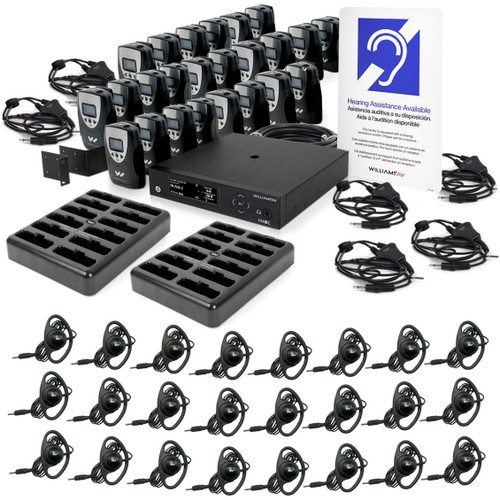

Williams AV FM+ 558-24 PRO D Assistive Listening System with Dante and Rack Panel Kit for Dual FM and Wi-Fi Transmission (24 Receivers)
Williams AV FM+ 558-24 PRO D Dante-Enabled Assistive Listening System The FM+ 558-24 PRO D System is a high-performance assistive listening solution designed for large venues, offering seamless...$10,025.00Usually arrives in 5-9 business days.
-


Williams AV FM+ 557 Large Area Assistive Listening System for both FM and Wi-Fi Transmission (4 Receivers)
Williams AV FM+ 557 Assistive Listening System The Williams AV FM+ 557 system is a professional-grade assistive listening solution designed to deliver high-quality audio streaming over both FM and...$2,275.00Usually arrives in 5-9 business days.
-

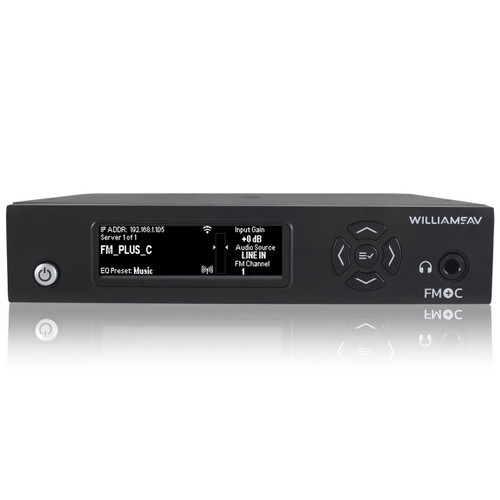
Williams AV FM+ 558-24 PRO Assistive Listening System with Rack Panel Kit for Dual FM and Wi-Fi Transmission (24 Receivers)
Williams AV FM+ 558-24 PRO ADA Compliant Assistive Listening System with Rack Panel Kit The FM+ 558-24 PRO System is a robust assistive listening solution built for large venues, offering powerful...$9,780.00Usually arrives in 5-9 business days.
-

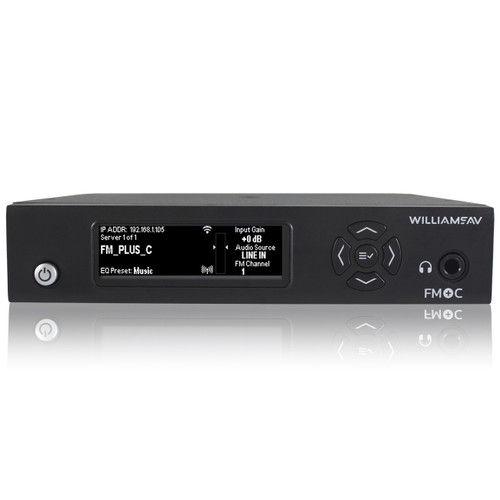
Williams AV FM+ 558-24 Large Area Assistive Listening System for Dual FM and Wi-Fi Transmission (24 Receivers)
Williams AV FM+ 558-24 ADA Compliant Assistive Listening System The FM+ 558-12 system ensures ADA-compliant assistive listening for large venues, offering clear, reliable audio. At its core, the FM+...$7,700.00Usually arrives in 5-9 business days.