
400 Products
-

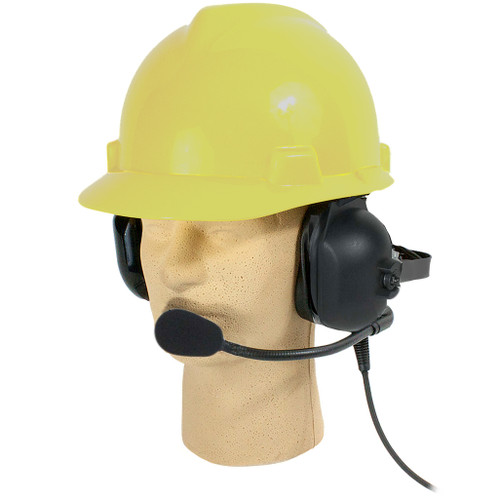
Williams AV MIC 188 Dual-Muff Hard-Hat Headset Microphone for DLT 400 Transceiver
Williams AV MIC 188 Dual-Muff Hard-Hat Headset Microphone The MIC 188 dual-muff hard-hat headset microphone is built for clear and reliable communication in high-noise and industrial environments...MSRP: $290.00$258.12Usually arrives in 5-9 business days.
-

Williams AV MIC 157 Single-Muff Headset Microphone for Digi-Wave Wireless Communication and Interpretation Systems
Williams AV MIC 157 Single-Muff Headset Microphone The MIC 157 is a professional single-muff headset microphone engineered for dependable performance in wireless communication and interpretation...MSRP: $200.00$170.29Usually arrives in 5-9 business days.
-

Williams AV MIC 145 Dual Headset Microphone for DLT 400 Transceiver
Williams AV MIC 145 Dual Headset Microphone The MIC 145 dual headset microphone is a professional-grade communication headset designed specifically for compatibility with the Williams AV Digi-Wave...MSRP: $160.99$133.49Usually arrives in 5-9 business days.
-
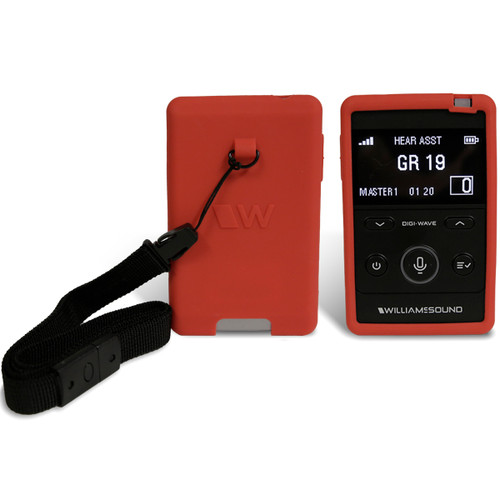
Williams AV CCS 061 Silicone Skin with Lanyard and Wrist Strap for Digi-Wave DLT 400 and DLR 400 RCH - Red
Williams AV CCS 061 Silicone Skin with Lanyard and Wrist Strap in Red The CCS 061 silicone skin in red is designed to protect Digi-Wave DLT 400 transceivers and DLR 400 RCH receivers from everyday...MSRP: $34.00$29.62Usually arrives in 5-9 business days.
-
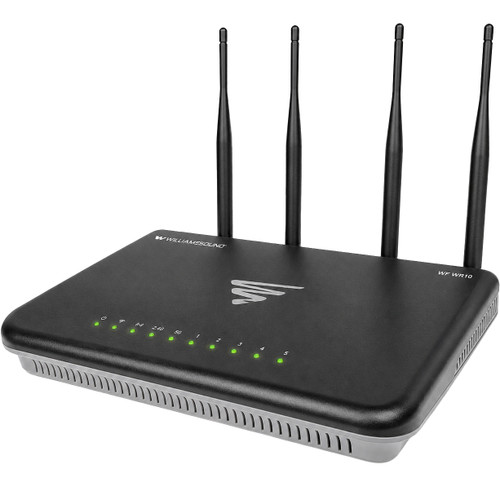
Williams AV WF WR10 Wireless Access Point for WaveCAST Single-Channel Transmitters
Williams AV WF WR10 Wireless Access Point The WF WR10 is a wireless access point designed for WaveCAST single-channel transmitters operating in Unicast Mode. It provides a wireless connection for...MSRP: $570.99$570.00Usually arrives in 5-9 business days.
-

Williams AV CCS 042 Large Heavy-Duty Carry Case with Pluck Foam for Up to 48 Receivers or Transmitters
Williams AV CCS 042 Heavy-Duty Carry Case with Pluck Foam The CCS 042 large heavy-duty carry case with pluck foam is designed for secure and organized storage of Williams AV receivers, transmitters,...MSRP: $535.00$477.23Usually arrives in 5-9 business days.
-
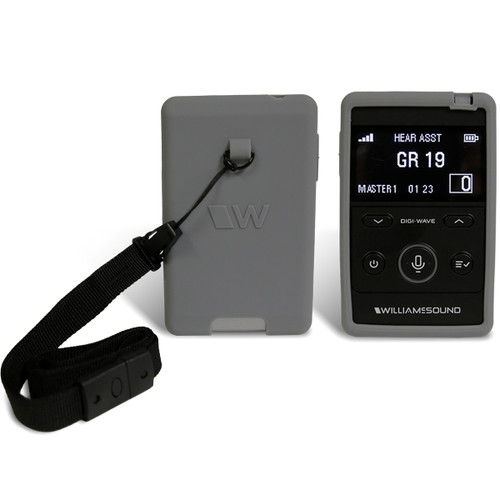
Williams AV CCS 061 Silicone Skin with Lanyard and Wrist Strap for Digi-Wave DLT 400 and DLR 400 RCH - Gray
Williams AV CCS 061 Silicone Skin with Lanyard and Wrist Strap in Gray The CCS 061 silicone skin in gray is designed to protect Digi-Wave DLT 400 transceivers and DLR 400 RCH receivers from everyday...MSRP: $34.00$29.62Usually arrives in 5-9 business days.
-
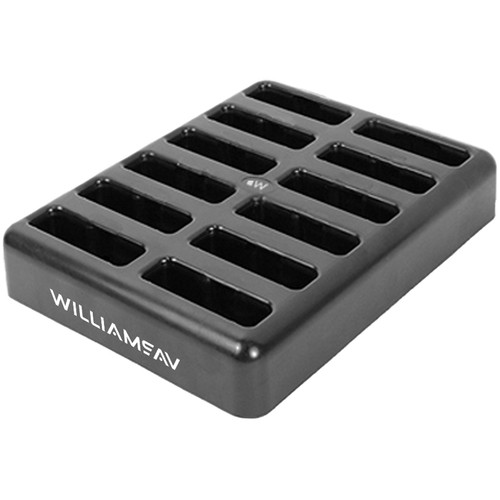
Williams AV CHG 412 12-Bay Drop-In Charger for Digi-Wave DLT 400 Transceivers and DLR 400 Receivers
Williams AV CHG 412 12-Bay Drop-In Charger The CHG 412 is a reliable 12-bay drop-in charging solution built specifically for Digi-Wave DLT 400 transceivers and DLR 400 RCH receivers. Designed for...MSRP: $690.00$624.00Usually arrives in 5-9 business days.
-
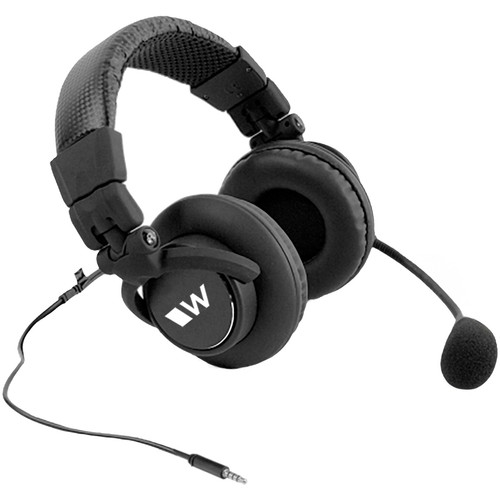

Williams AV MIC 158 Dual-Muff Headset Microphone for DLT 400 Transceiver
Williams AV MIC 158 Dual-Muff Headset Microphone The MIC 158 dual-muff headset microphone is designed to provide reliable and clear voice communication within Williams AV Digi-Wave systems...MSRP: $245.00$209.25Usually arrives in 5-9 business days.
-


Williams AV FM R38 Multi-Channel FM Receiver with Surround Earphone and OLED Display
Williams AV FM R38 Multi-Channel FM Receiver The FM R38 is a multi-channel FM receiver designed for tours, presentations, classrooms, and assistive listening applications. It features a...MSRP: $240.00$218.00Usually arrives in 5-9 business days.
-
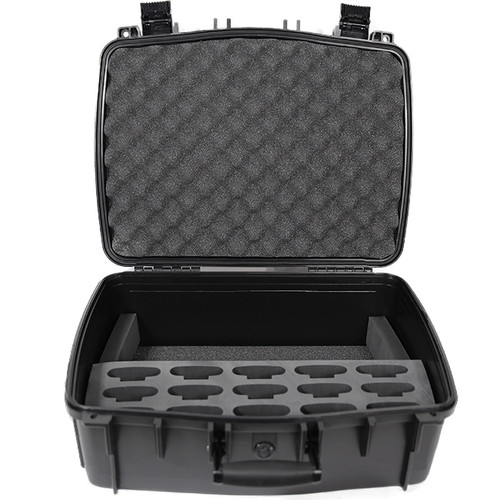

Williams AV CCS 056 S Large Water Resistant Carry Case for PPA T46 Transmitter, FM, IR, Digi-Wave DLT, DLR, and Loop Receivers (15 Slots)
Williams AV CCS 056 S Large Water Resistant Carry Case The CCS 056 S large water-resistant carry case is designed to protect and transport a wide range of assistive listening and communication...MSRP: $390.00$334.99Usually arrives in 5-9 business days.
-

Williams AV CHG 412 PRO 12-Bay Drop-In Charger with Case for DLT 400 Transceivers and DLR 400 Receivers
Williams AV CHG 412 PRO 12-Bay Drop-In Charger with Case The CHG 412 PRO is a professional 12-bay drop-in charging solution designed for Digi-Wave DLT 400 transceivers and DLR 400 RCH receivers...MSRP: $865.00$779.00Usually arrives in 5-9 business days.
-

Williams AV MIC 144 Headset Microphone for Digi-Wave Wireless Communication and Interpretation Systems
Williams AV MIC 144 Headset Microphone The MIC 144 headset microphone is designed for reliable, high-quality voice pickup in professional communication and interpretation environments. Featuring a...MSRP: $155.00$128.73Usually arrives in 5-9 business days.
-
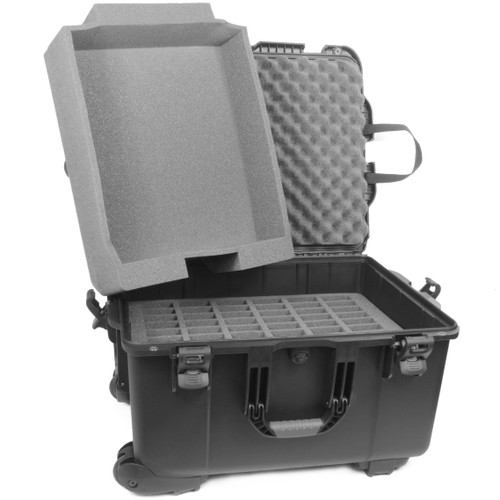
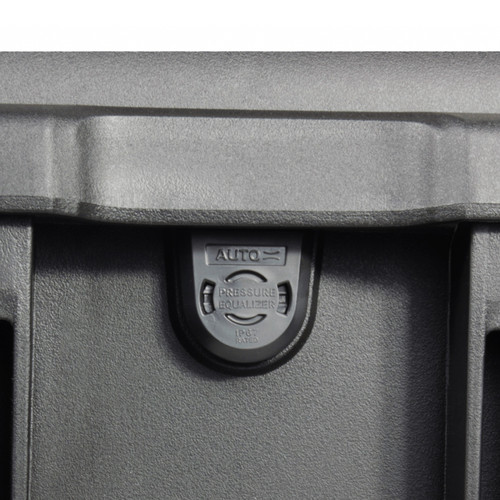
Williams AV CCS 054 Large Heavy-Duty Carry Case for DigiWave, FM, and IR Systems (60 Slots)
Williams AV CCS 054 Large Heavy-Duty Carry Case The CCS 054 large heavy-duty carry case is built for secure storage and transport of large assistive listening and communication system deployments...MSRP: $1,045.99$1,045.00Usually arrives in 5-9 business days.
-


Listen Tech LR-4200-IR Intelligent DSP IR Receiver
The LR-4200-IR receiver is one of Listen Technologies’ new generation of personal listening products, iDSP or Intelligent Digital Signal Processing. The LR-4200-IR is a high performance IR receiver...MSRP: $283.00$251.00Usually arrives in 5-9 business days.
-
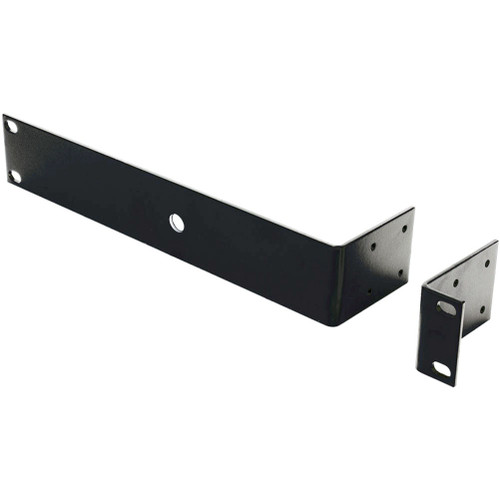
Williams AV RPK 005 Single Rack Panel Kit for WaveCAST, FM Plus and MOD 232
Williams AV RPK 005 Single Rack Panel Kit The RPK 005 single rack panel kit is designed to securely mount one half-rack (1/2 space) device into a standard 19-inch equipment rack. Ideal for...MSRP: $89.00$72.94Usually arrives in 5-9 business days.
-
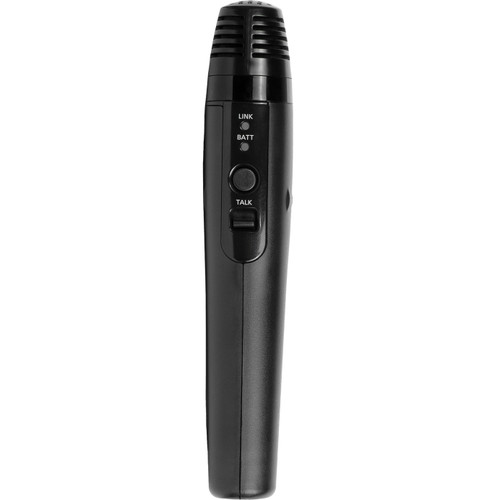
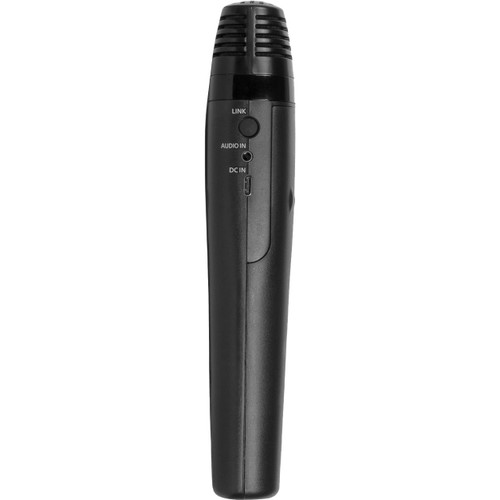
Audio Enhancement XD Student Microphone for XD Teacher Box
Audio Enhancement XD Student Microphone The XD Student Microphone for the XD teacher box empowers educators and presenters to engage audiences with clear, natural, and professional-quality sound...MSRP: $388.85$246.11Usually arrives in 5-9 business days.
-

Listen Tech LA-367 Replacement Rechargeable Lithium Polymer Battery
Listen Tech LA-367 Replacement Rechargeable Lithium Polymer Battery The LA-367 replacement rechargeable lithium polymer battery is designed specifically for the Auri RX1 assisted listening receiver...MSRP: $33.00$0.00Usually arrives in 5-9 business days.
-

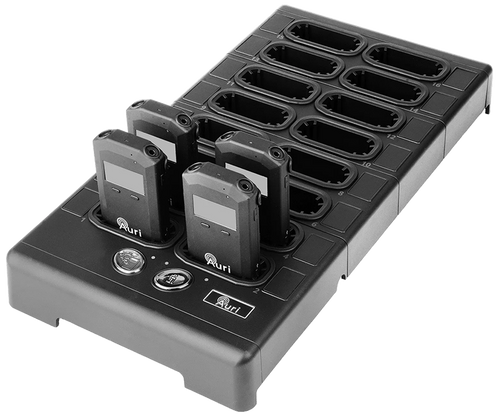
Listen Tech AURI-D16 Auri Docking Station 16
Listen Tech AURI-D16 Auri Docking Station 16 The AURI-D16 Auri docking station 16 is a professional 16-slot charging and management solution for Auri RX1 receivers. Designed for both flat surfaces...MSRP: $1,049.00$944.00Usually arrives in 5-9 business days.
-

Listen Tech LA-425-09 1-Port USB A-C Power Supply
Listen Tech LA-425-09 1-Port USB A-C Power Supply The LA-425-09 1-Port USB A-C power supply is designed to power and charge Listen Technologies devices with a USB Type-C input. It features...MSRP: $30.99$30.00Usually arrives in 5-9 business days.