
56 Products
-
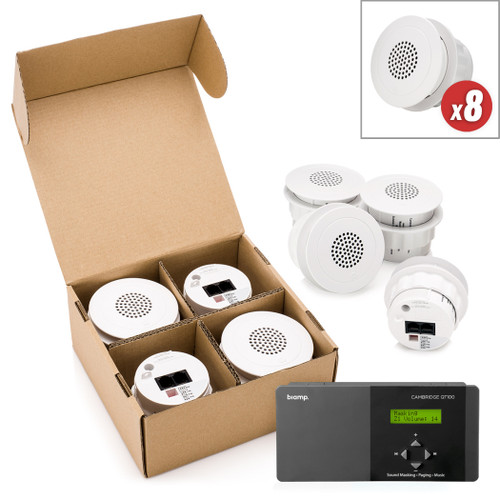
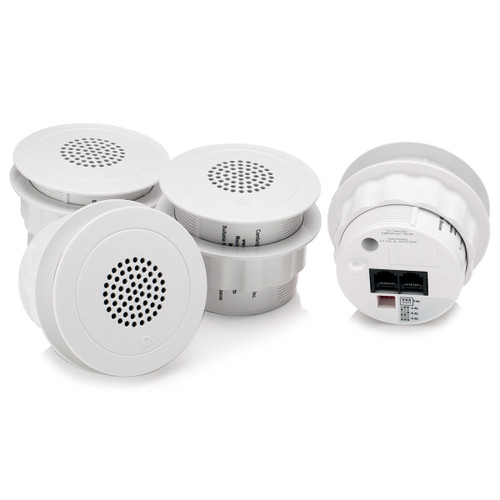
Small Office Sound Masking System with Cambridge Sound Management In-Ceiling Qt Emitters and White Noise Generator for up to 1000SF
Inside the Design Employees and customers can be easily distracted by conversations taking place throughout the office. Sound masking is a specifically tuned ambient background noise that targets the...$2,391.00Usually arrives in 5-9 business days.
-

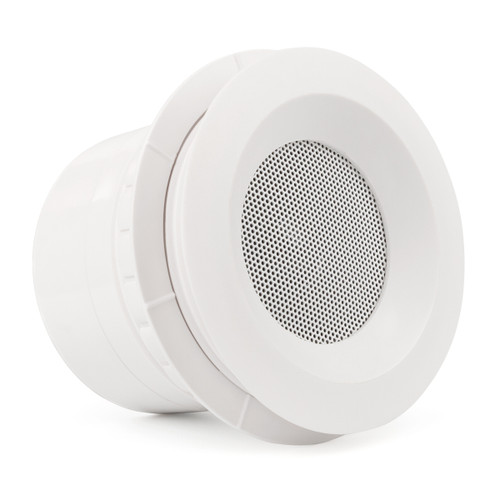
White Noise System with 12 C3 3" 70 Volt Ceiling Speakers, MA120BT 120W Bluetooth Mixer Amplifier and SMG1 Sound Masking Generator
Inside the Design This white noise sound masking system combines twelve Pure Resonance Audio C3 3" micro ceiling speakers with the MA120BT 7-channel 120W Bluetooth commercial mixer amplifier and the...MSRP: $2,125.99$1,754.99Usually arrives in 5-9 business days.
-


Speech Privacy Sound Masking System with AtlasIED Ceiling Speakers and Z Series Controller for up to 4000SF with Bluetooth
Inside the Design This all-in-one AtlasIED sound masking system has all the functionality your facility needs in a sound system. It not only protects sensitive information with high-quality speech...MSRP: $4,261.86$3,572.34Usually arrives in 5-9 business days.
-

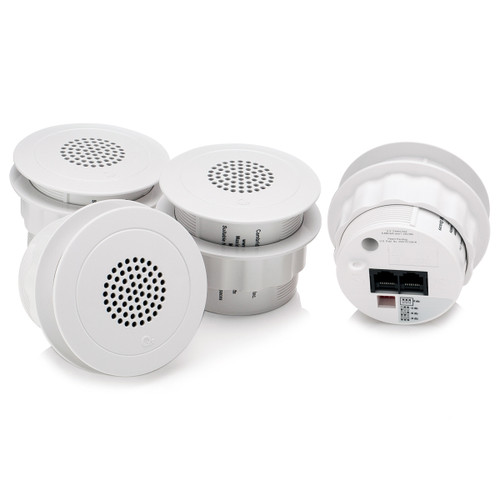
Sound Masking System with 60 Cambridge Ceiling Qt Emitters and Qt X 600D 6-Zone White Noise Generator with Dante for up to 6000SF
Inside the Design This speech privacy system with 60 sound masking speakers, a network controllable multi-zone sound masking generator with Dante, and four volume controls minimizes distractions and...MSRP: $14,498.80$14,495.00Usually arrives in 5-9 business days.
-


Sound Masking Sound System with 16 C3 3" 70V Drywall Mount Ceiling Speakers, RMA240BT 240W Mixer Amplifier and SMG1 Sound Masking Generator
Inside the Design This sound masking system is specifically designed to meet the security and confidentiality requirements of military, federal, law enforcement, and security agencies. It provides...MSRP: $3,013.99$2,494.99Usually arrives in 5-9 business days.
-


Yamaha VSP-2 Speech Privacy System with 8 VSP-SP2 Speakers
Yamaha VSP-2 Speech Privacy System with 8 VSP-SP2 Speakers With new Info-Masking Technology, the VSP-2 is a speech privacy system that prevents information leakage by reducing human voice...$2,658.76Usually arrives in 5-9 business days.
-

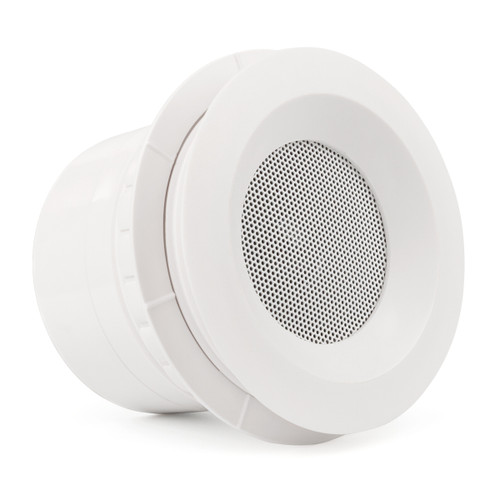
Sound Masking System for Small Office with 4 Easy-Mounting Micro Ceiling Speakers and White Noise Generator for up to 600SF
Inside the Design This cost-effective sound masking solution reduces noise and distractions, protects private conversations and creates a more comfortable and productive work environment. Compact and...MSRP: $934.90$769.26Usually arrives in 5-9 business days.
-
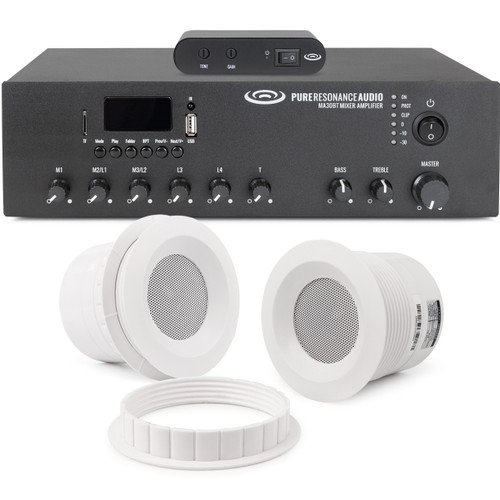

Small Office Sound Masking System with 2 C3 3" 70 Volt Ceiling Speakers, MA30BT 30W Mixer Amplifier and SMG1 Sound Masking Generator
Inside the Design This small office sound masking system is designed to enhance speech privacy, reduce distractions, and create a more comfortable acoustic environment. It features two sleek Pure...MSRP: $944.99$792.99Usually arrives in 5-9 business days.
-
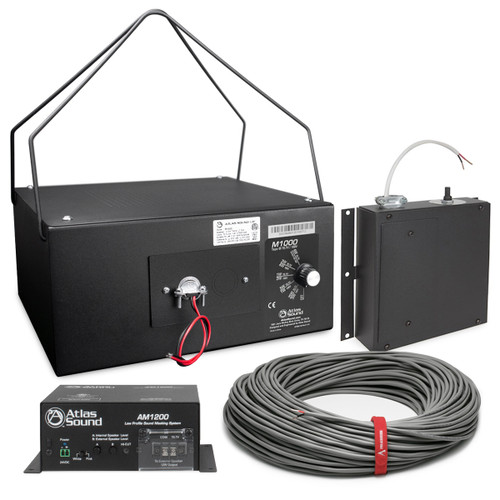

Eavesdropping Protection Privacy System for HVAC Duct and Plenum Air Space with M1000 Masking Speaker and AM1200 Sound Masking System
Inside the Design Keep voices and discussions from traveling from room to room with this sound masking and eavesdropping protection system. Ideal for CIA, FBI, law enforcement, correctional...MSRP: $1,027.48$902.48Usually arrives in 5-9 business days.
-
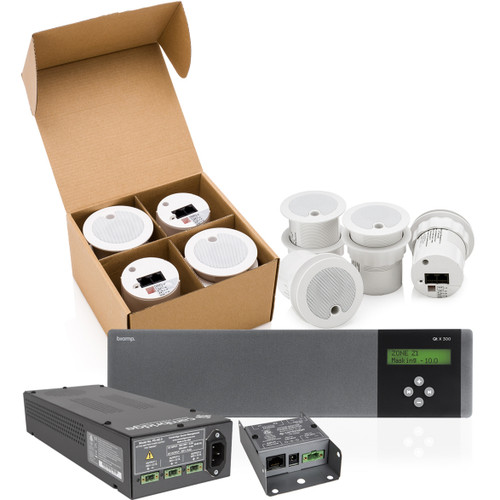

Small Office Sound Masking and Background Music System with Cambridge Sound Management QT X 300 and 8 Active Emitters
Inside the Design A powerful all-in-one sound masking, office paging and background music loudspeaker system solution for any office space or commercial environment. The Cambridge Qt X 300 is ideal...$5,252.00Usually arrives in 5-9 business days.
-
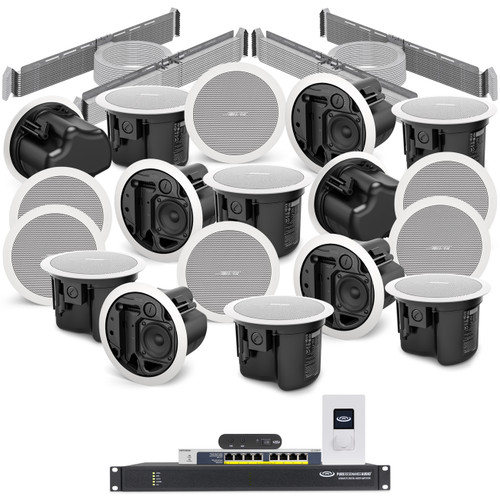
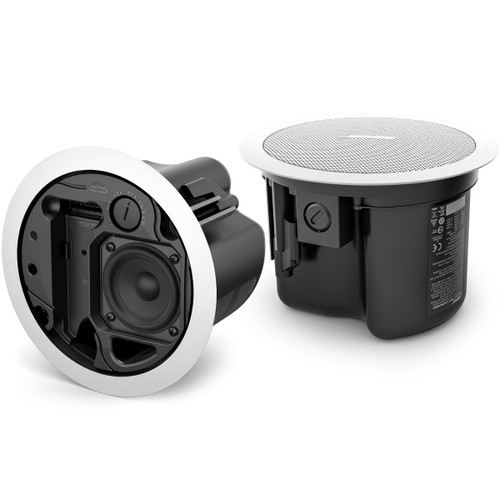
Sound Masking System with 18 Bose FreeSpace FS2C Ceiling Speakers, 8-Channel Mixer Amplifier, and Sound Masking Generator
Inside the Design This commercial sound masking system is designed for offices, commercial spaces, and other environments requiring distributed sound masking across areas up to 5,000 square feet...MSRP: $6,499.66$5,899.83Usually arrives in 5-9 business days.
-


Office Sound Masking System with Quam Sound Masking Speakers, Pink Noise Masking Generator and Volume Controls up to 1800SF
Inside the Design This office sound masking system is designed to enhance speech privacy and reduce distractions in open office environments. Featuring six Quam MA/E8/S2/T8 sound masking...MSRP: $1,449.57$1,362.35Usually arrives in 5-9 business days.
-

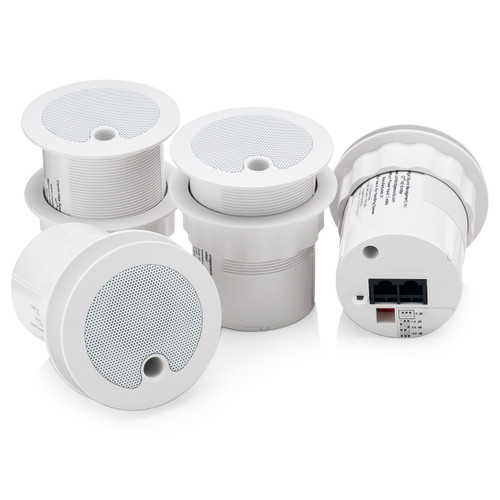
Library Sound Masking with Multi-Zone, Background Music and Paging Capabilities
Inside the Design This library sound masking system is designed to improve acoustics and enhance speech privacy in study areas and multi-purpose learning spaces. Featuring eight Cambridge Qt Active...$5,252.00Usually arrives in 5-9 business days.
-

Sound Masking System with 8 AtlasIED BT720-4 4" In-Ceiling Loudspeakers with Contemporary Research SMG-40 Sound Masking Generator
Inside the Design Elevate the acoustic environment of your commercial space with this comprehensive sound masking system, meticulously crafted in the USA to deliver unparalleled performance and...MSRP: $2,068.45$1,784.24Usually arrives in 5-9 business days.
-
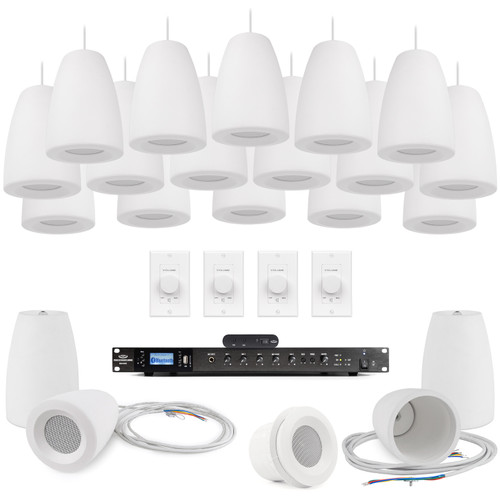

White Noise Office System with 20 C3 3" 70 Volt Pendant Speakers, RMA500BT Bluetooth Mixer Amplifier, SMG1 Sound Masking Generator, and Volume Controls
Inside the Design This professional white noise sound masking system is engineered to enhance speech privacy and reduce distractions in office and commercial environments. Featuring twenty Pure...MSRP: $4,521.12$3,803.50Usually arrives in 5-9 business days.
-


Open Office Sound Masking System with 4 PD4 4" 70 Volt Pendant Speakers, MA30BT 30W Mixer Amplifier and SMG1 Sound Masking Generator
Inside the Design This open office sound masking system features four PD4 sleek 4" pendant speakers, an MA30BT 30W mixer amplifier, and an SMG1 sound masking generator, designed to enhance speech...MSRP: $1,524.57$1,305.87Usually arrives in 5-9 business days.
-
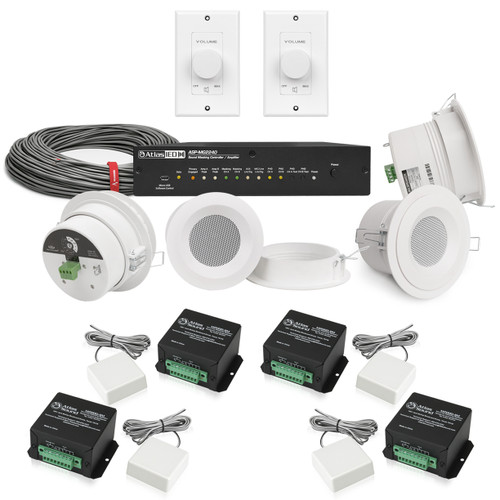
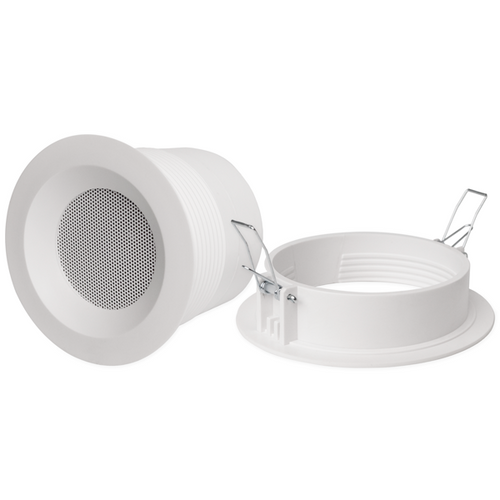
Sound Masking System for Private Medical Offices and Sensitive Compartmented Information Facilities with Eavesdropping Protection
Inside the Design Safeguard private information and sensitive conversations in medical facilities by making speech less intelligible with this commercial sound masking speaker system. This speech...MSRP: $2,538.99$2,129.93Usually arrives in 5-9 business days.
-


Commercial Sound Masking System with Strategically Hidden Loudspeakers and Sound Masking Devices for Glass Surfaces
Inside the Design This sound masking solution is designed for commercial environments featuring open spaces and modern designs with glass surfaces. Less sound-absorbing materials like glass walls,...MSRP: $5,778.80$5,216.98Usually arrives in 5-9 business days.
-
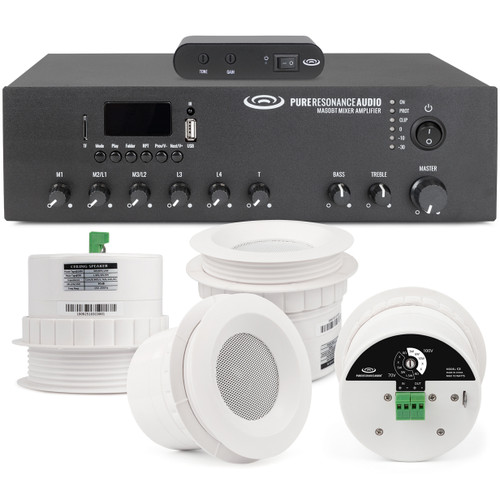

Sound Masking System for High Noise Industrial Environments with 16 Ceiling Speakers and Sound Masking Generator for up to 2500SF
Inside the Design This sound masking, background music, and paging system combines sixteen sleek C3 3" ceiling speakers with the MA60BT mixer amplifier and the SMG1 sound masking generator for a...MSRP: $2,467.43$2,114.22Usually arrives in 5-9 business days.
-

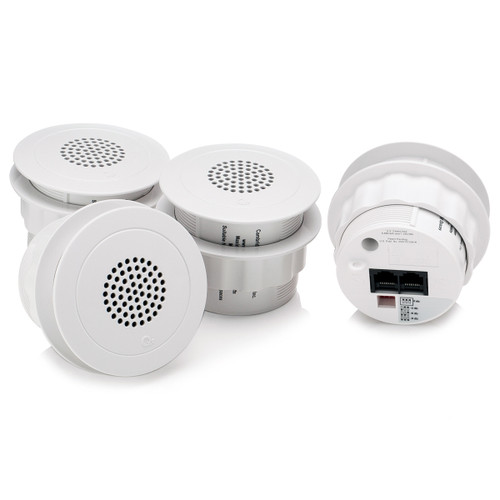
Patient Privacy System with 36 Cambridge Ceiling Qt Emitters and Qt X 300D 3-Zone White Noise Generator with Dante for up to 3600SF
Inside the Design This sound masking system is an innovative solution to help achieve speech privacy in doctors, clinic and urgent care exam rooms as well as provide office noise cancellation, by...MSRP: $9,236.90$9,235.00Usually arrives in 5-9 business days.